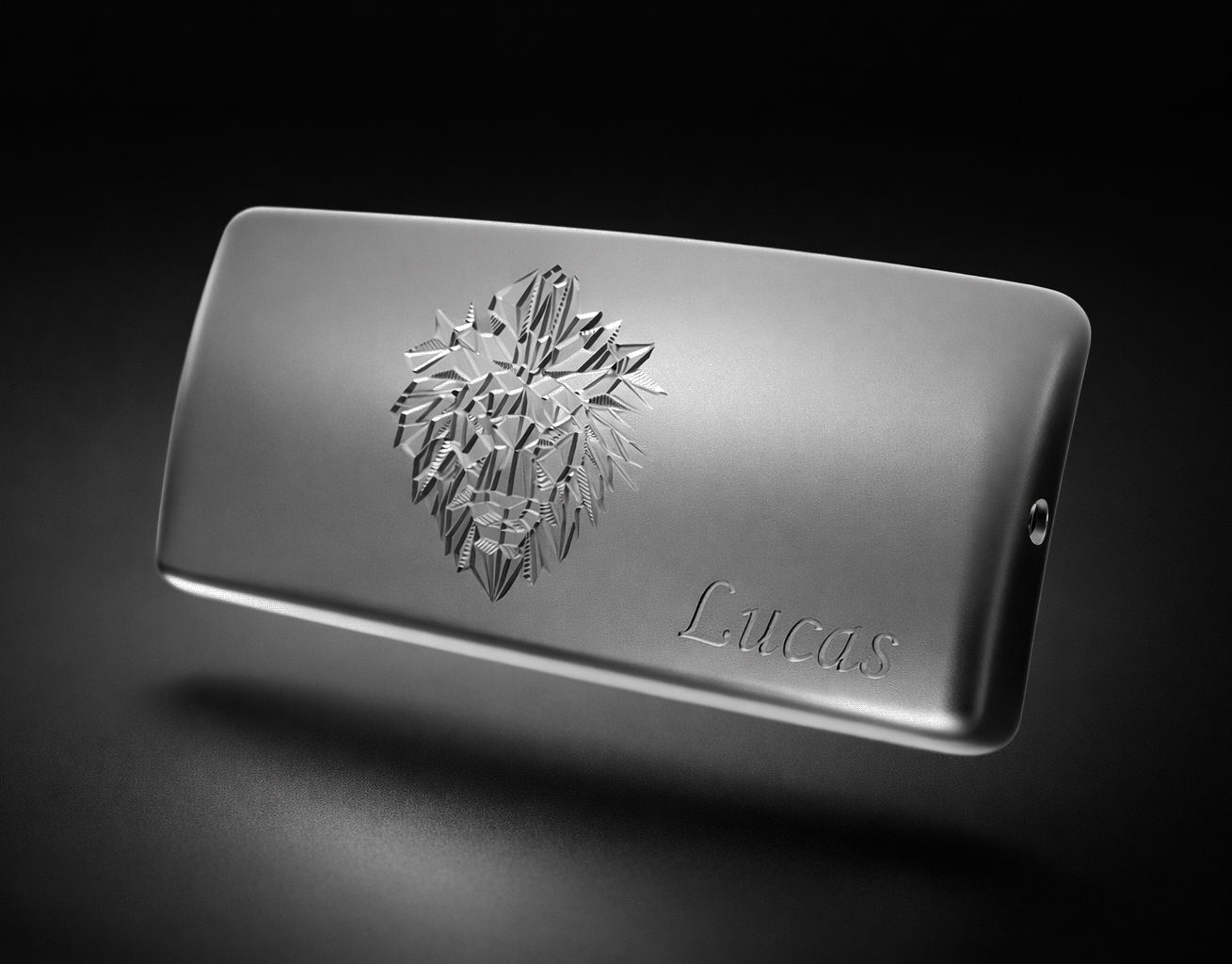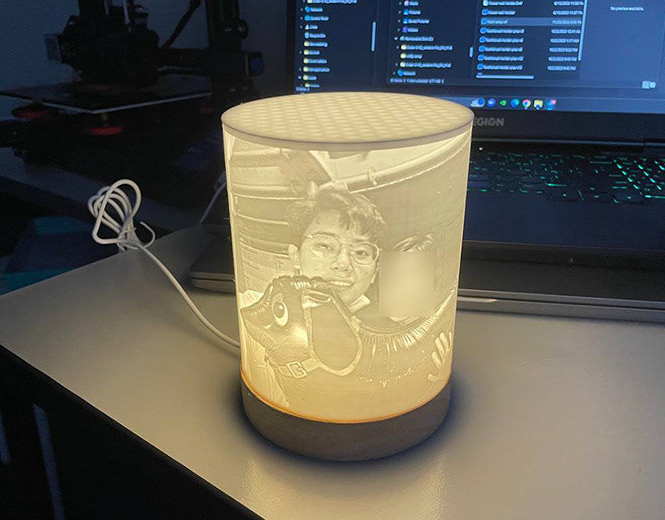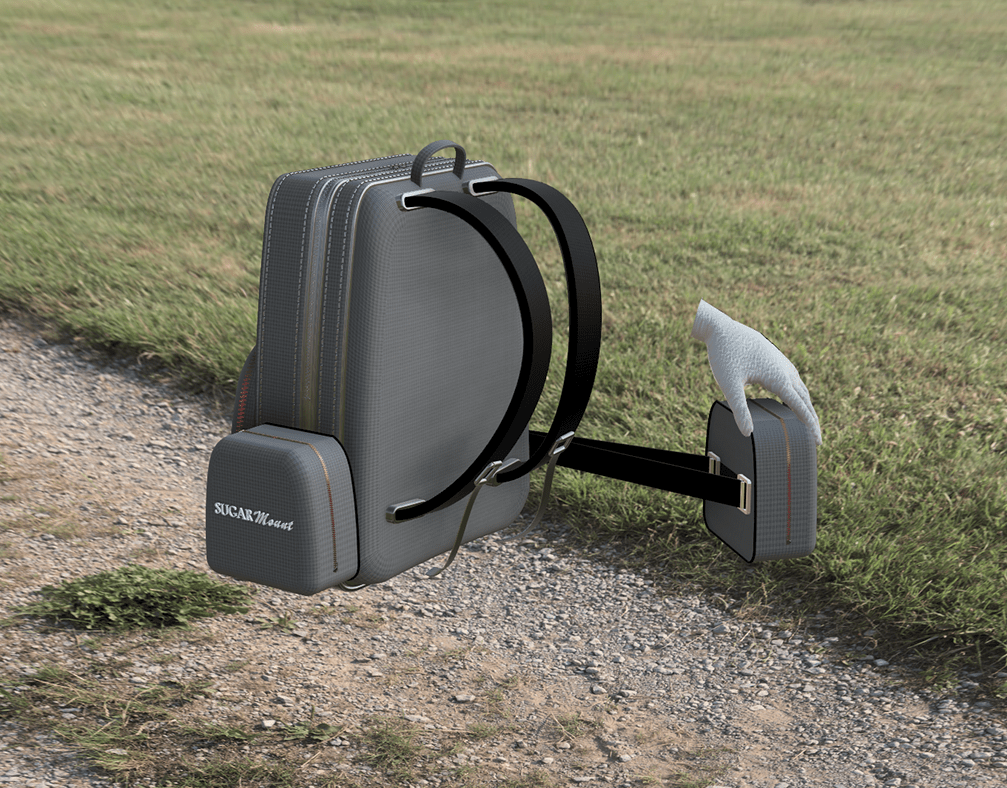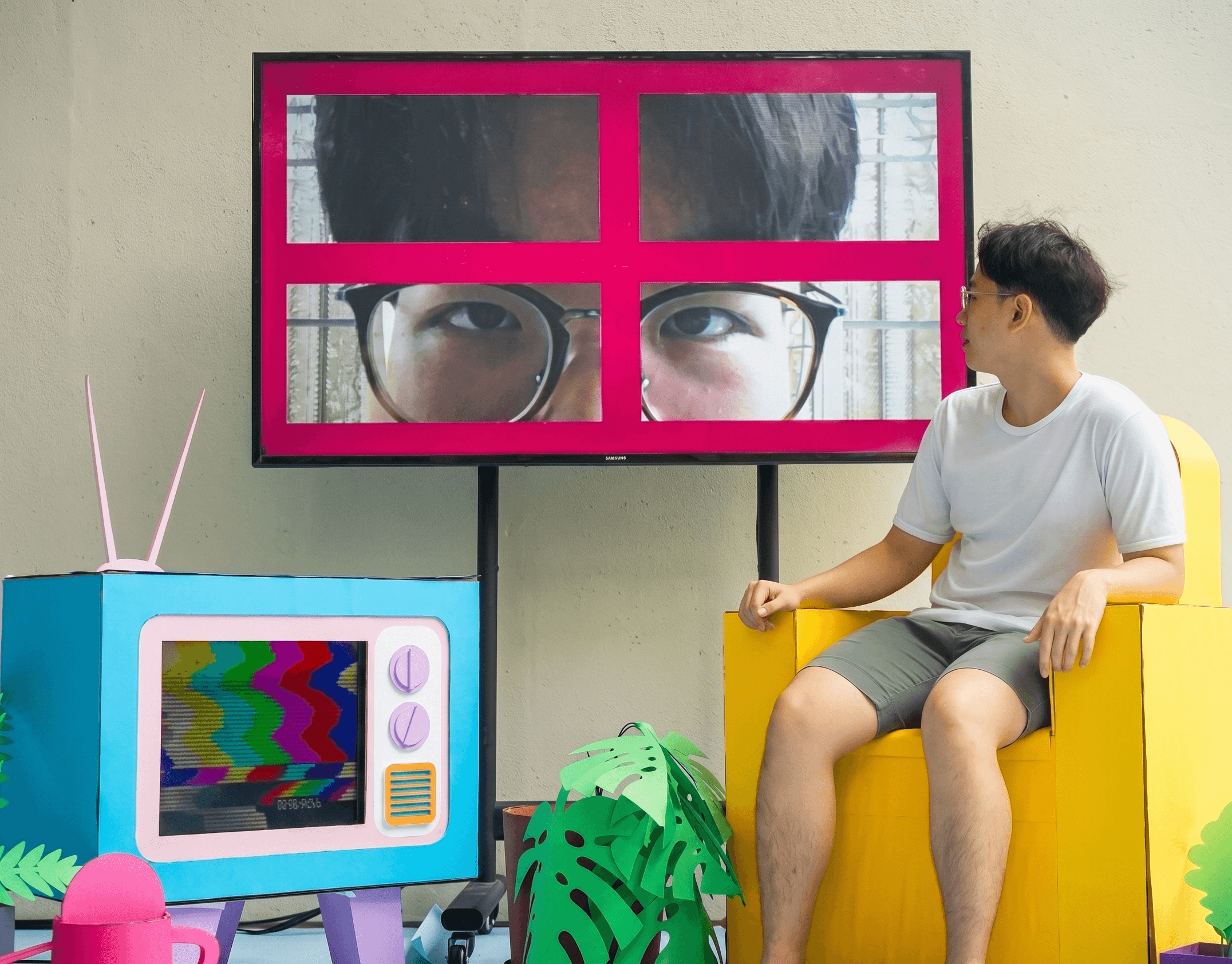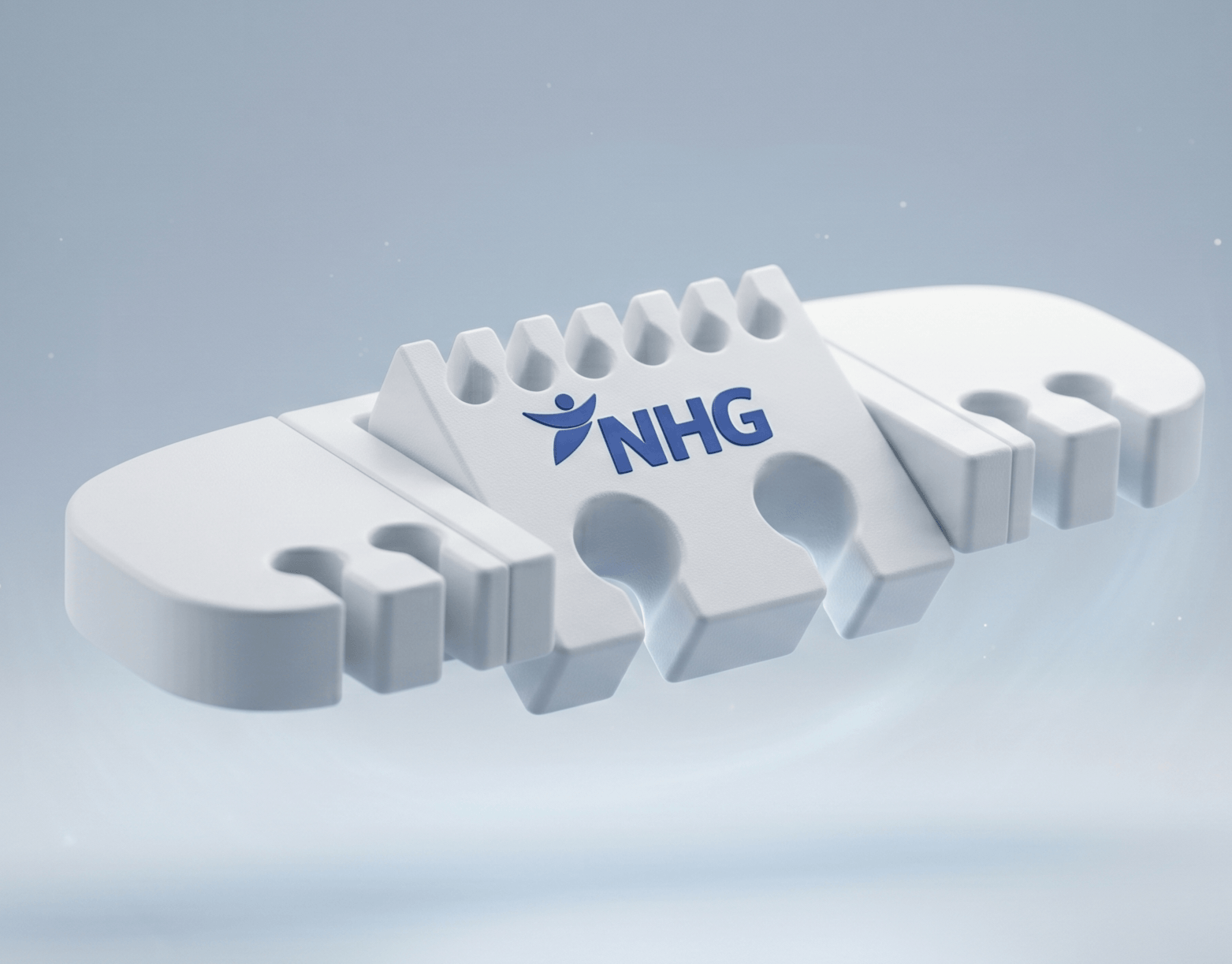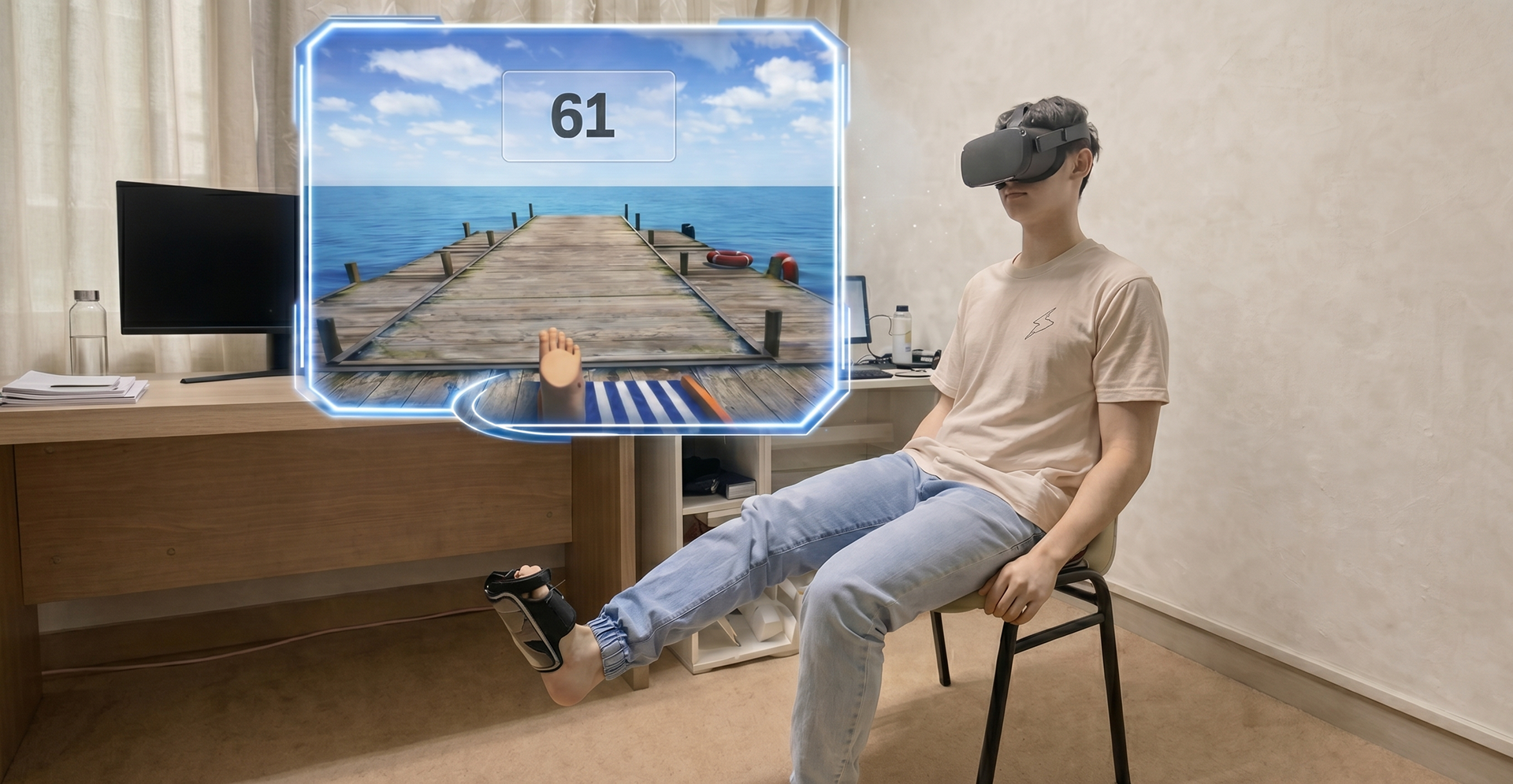
While the design was done by me, AI was incorporated into the rendering process. I believe AI shouldn't replace our work entirely, but it can sharpen ideas and expand creative boundaries.
Immersive VR for Rehabilitation
A Virtual‑Reality (VR) rehabilitation simulator that transforms post‑surgical physiotherapy into an engaging, restorative experience. By combining immersive environments with real‑time motion tracking, it helps patients move beyond pain, stay motivated, and see their recovery progress unfold with clarity and confidence.
Clinical Challenges
From clinician feedback, we hear 3 major clinical challenges in post-surgery rehabilitation: painful exercises that discourage adherence, repetitive routines that quickly become boring, and a lack of visible progress, leaving people feeling demoralised and uncertain about their progress.
Traditional physiotherapy often feels monotonous, leading many to abandon sessions and face long‑term consequences such as weakness, reduced mobility, and loss of independence. To address this, we gamified rehabilitation with Virtual Reality and motion trackers. Real‑time biofeedback transforms tedious drills into immersive, progress‑driven quests that distract from pain, reward effort, and keep patients engaged in their recovery.
Technological Implementation
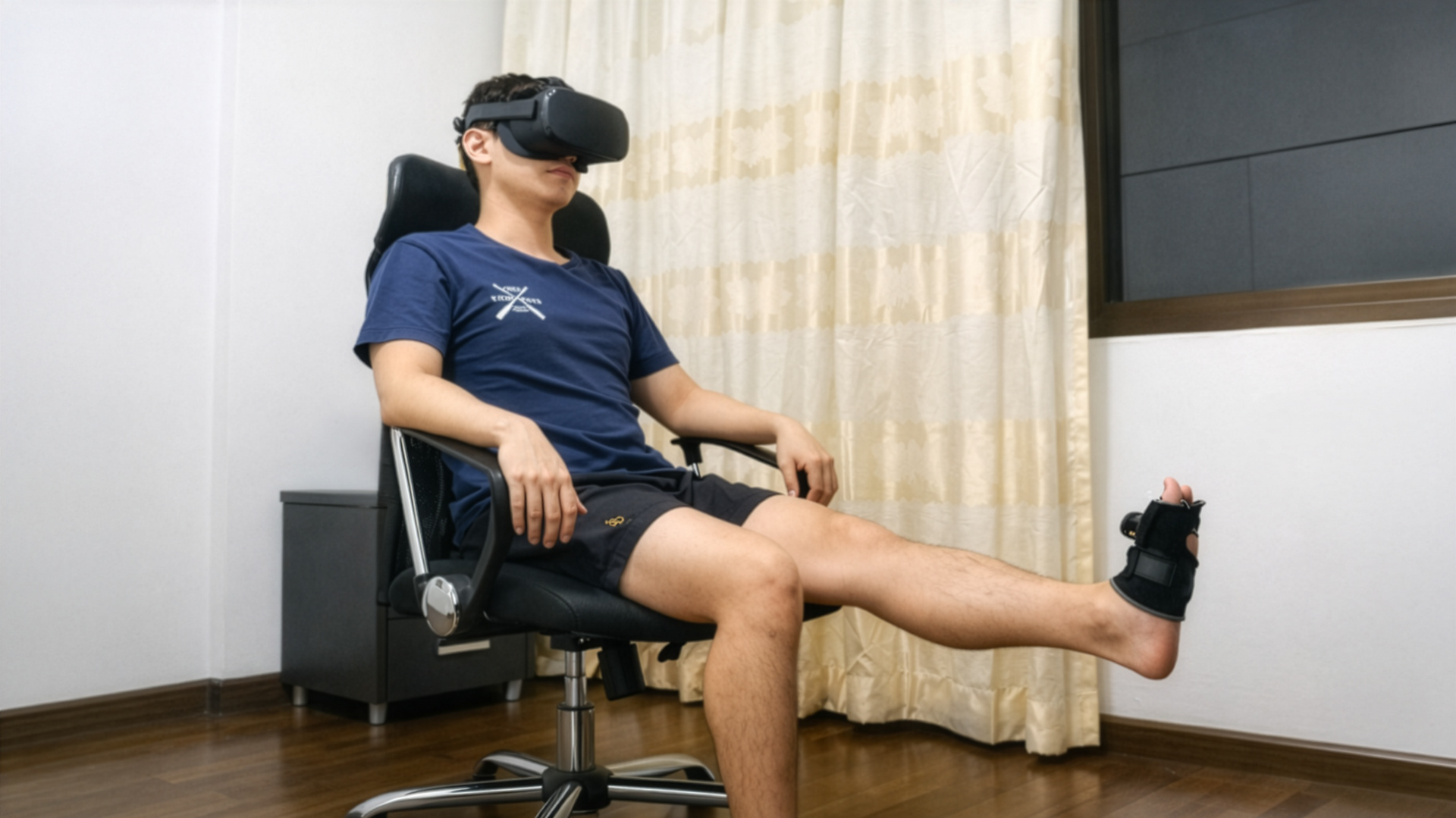
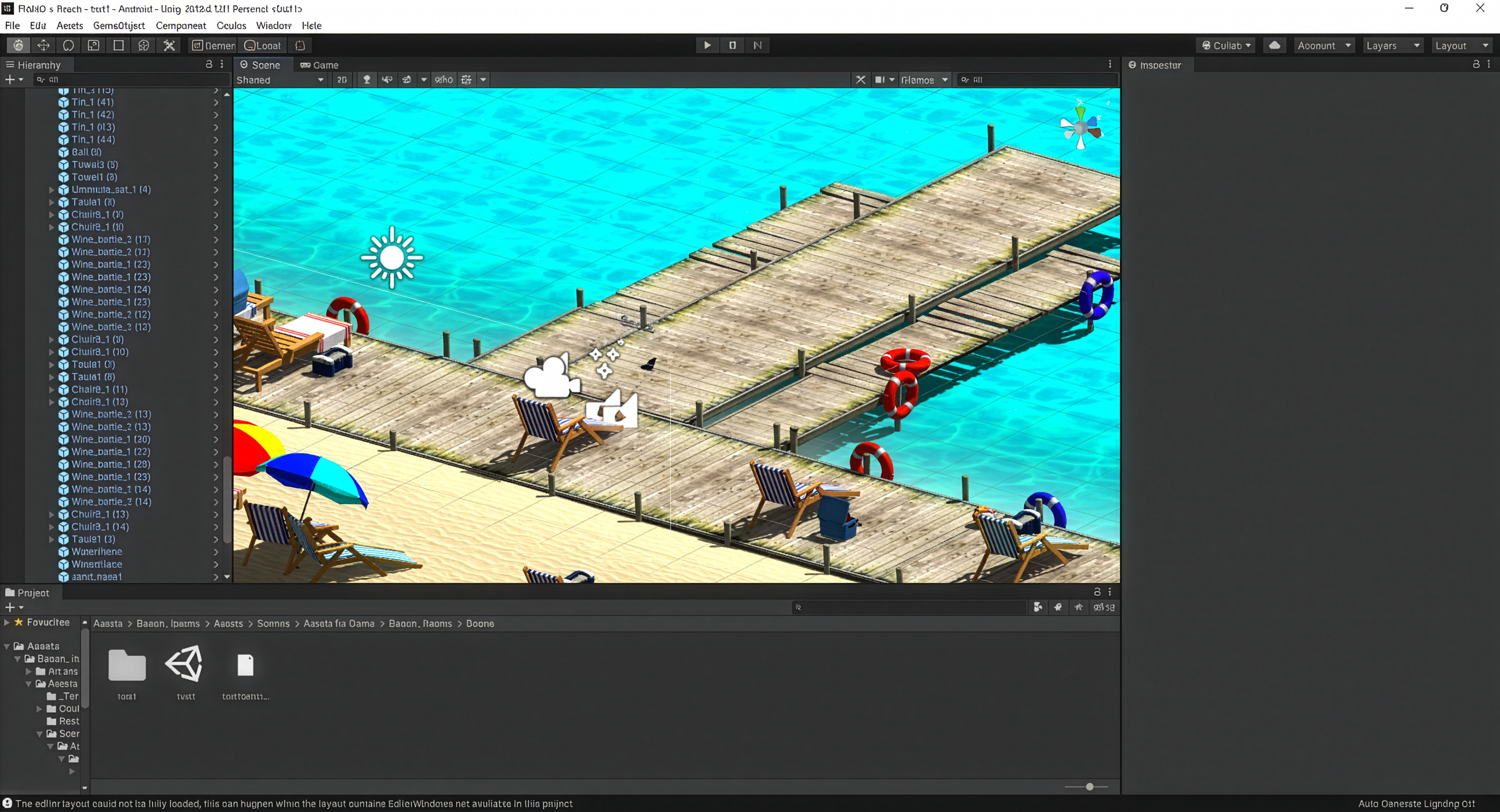
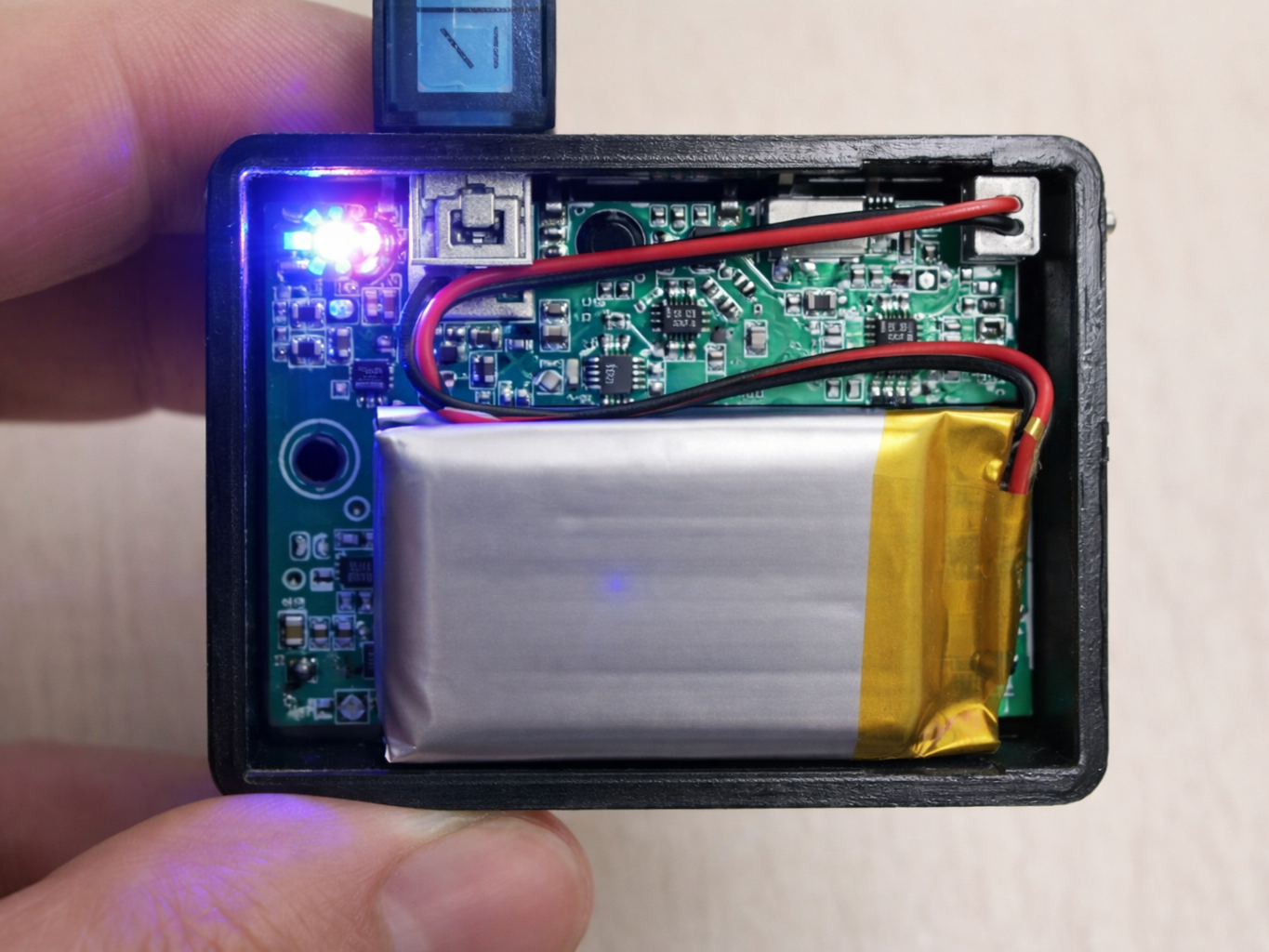
We developed a VR rehabilitation system in Unity, a 3D game engine, that turns knee extension therapy into an immersive beach experience. Patients wear an Oculus Quest headset while Oculus Touch sensors and T‑Rehab IMUs capture detailed motion data, giving clinicians accurate insights for progress tracking and analysis.
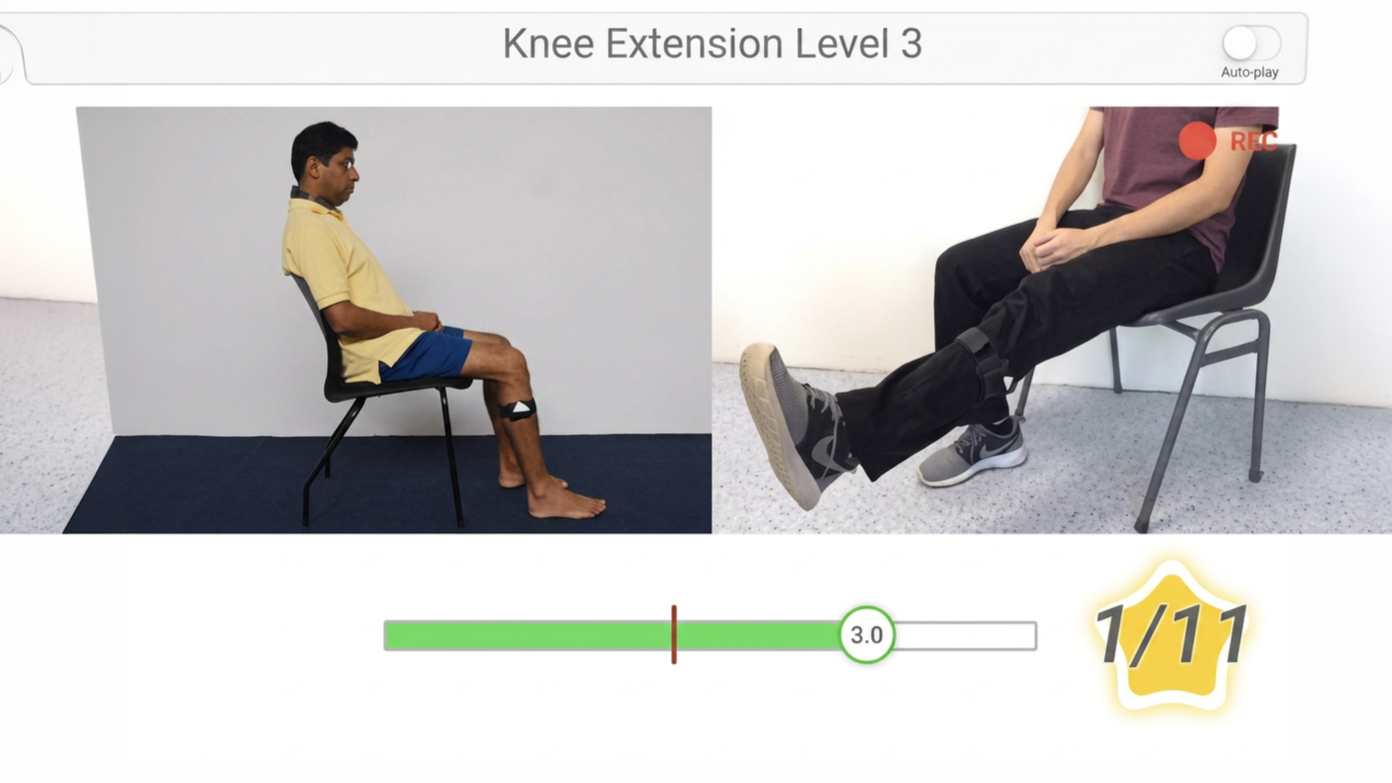
For software, we used Unity assets to drive the simulation with visual and audio cues, supported by repetition counters and celebratory animations that keep patients motivated. The T‑Rehab companion app tracks progress based on prescribed exercise patterns and sensor data. By focusing on knee extension therapy, the prototype provides reliable clinical data while boosting patient engagement and compliance.
VR Rehabilitation Outcomes
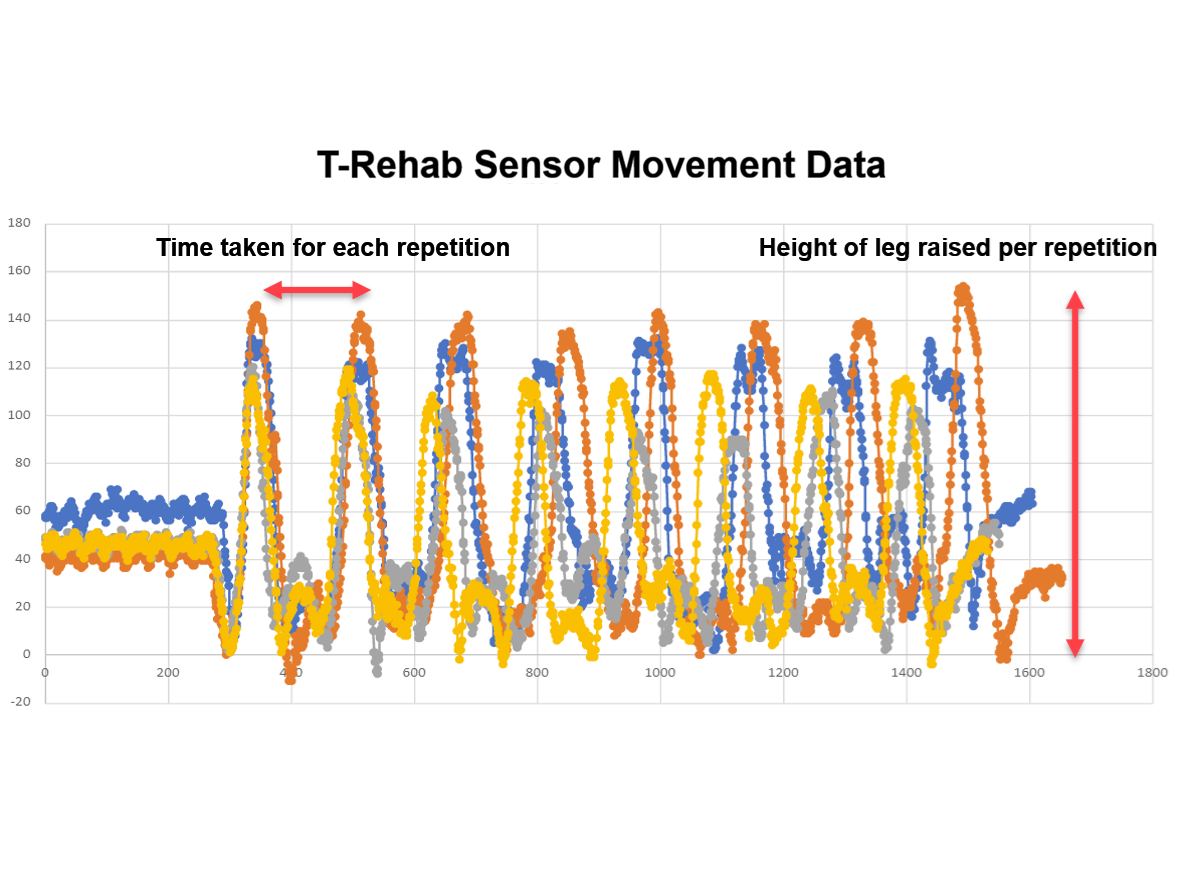
We ran 2 rehabilitation experiments with 17 healthy participants, comparing immersive Virtual Reality with standard YouTube videos as a control, using a randomised order to avoid bias. Using T‑rehab’s IMU sensors, knee‑extension exercises were tracked with real‑time feedback via a mobile app.
Survey responses revealed that VR training led to less perceived pain, greater motivation, and a more enjoyable recovery. Motion data further showed that exercises performed in VR produced smoother, more consistent movement patterns than in the control condition. Together, these findings show how VR can turn rehabilitation from routine therapy into a restorative, engaging process.
Acknowledgments
Special thanks to Prof Khoo Eng Tat for his patient guidance and to my teammates, Kimberly Chee, Bony Jacob, and Joseph Teh, for their dedication and support on this project. I am also grateful to the doctors, physiotherapists, and other clinical staff for generously sharing their time through interviews and for their valuable advice.
Special thanks to the T‑Rehab team at NUS for providing the sensors that enabled our testing. This project would not have been possible without the support and contributions of everyone involved.