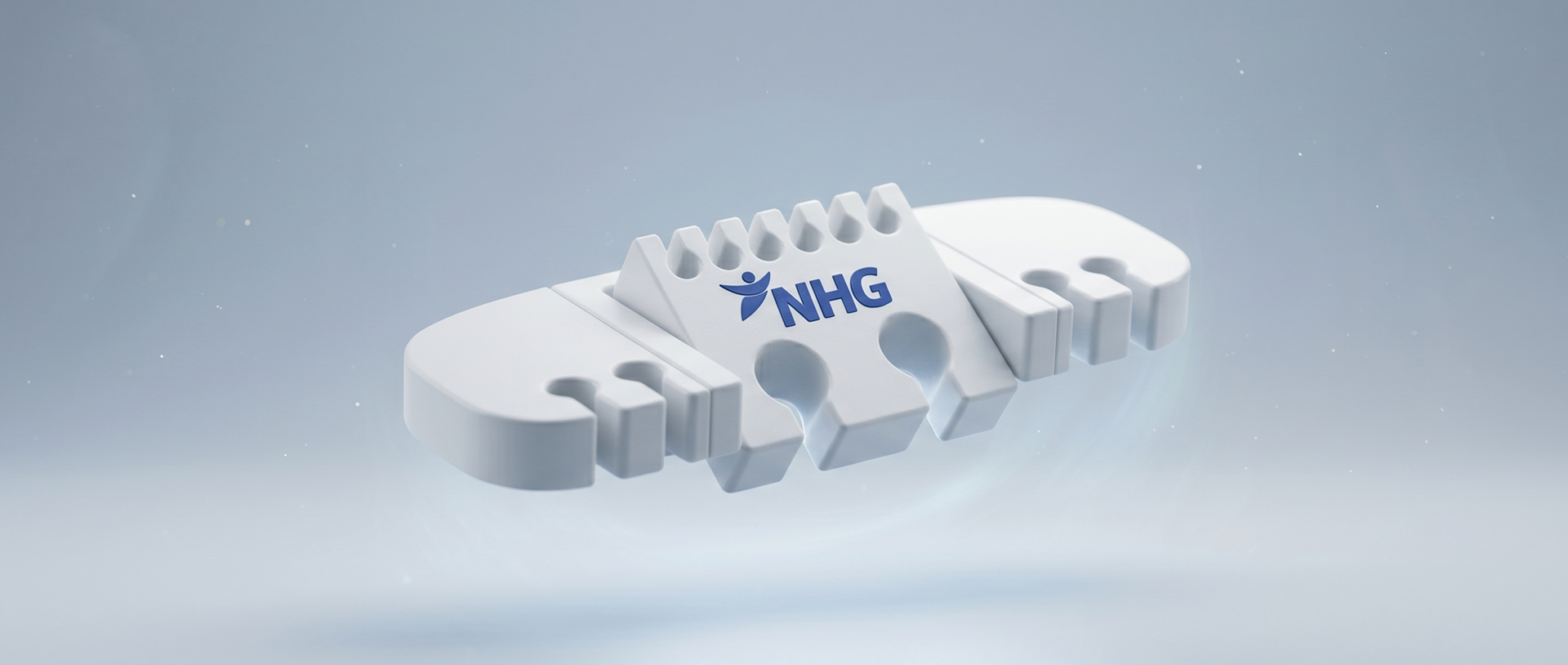
While the design was done by me, AI was incorporated into the rendering process. I believe AI shouldn't replace our work entirely, but it can sharpen ideas and expand creative boundaries.
OptileadECG — Accelerated ECG Acquisition
OptileadECG is a lead‑management accessory that streamlines electrocardiogram acquisition. By reducing setup time, it enables faster, more reliable readings while easing clinical workflows. Crafted with biocompatible materials and infection‑control geometries, OptileadECG transforms ECG acquisition from a frequent bottleneck into a seamless, reliable step in clinical care.
Clinical Challenges
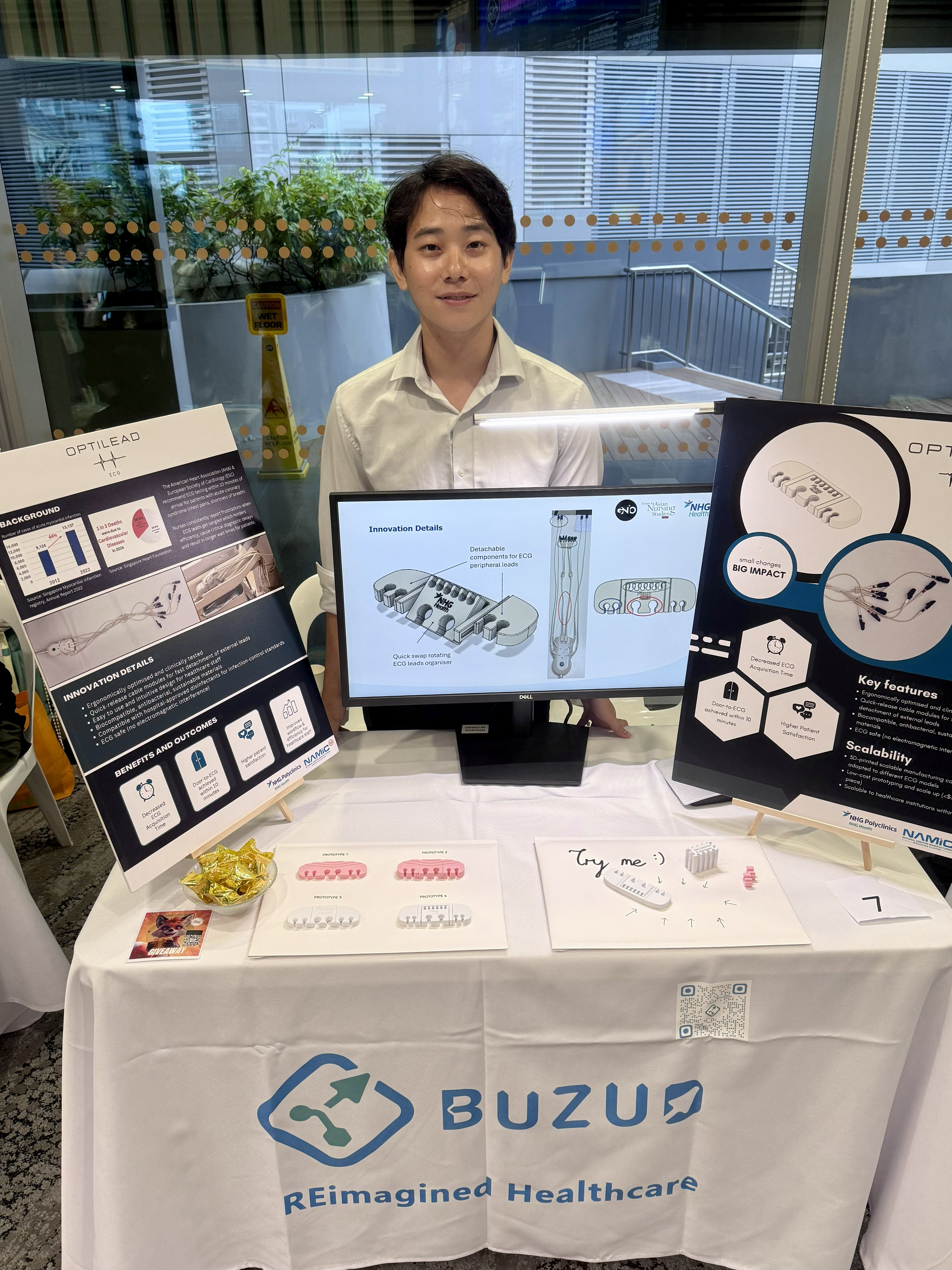
In Singapore, acute myocardial infarction (AMI) cases rose by 44% between 2012 and 2022, intensifying pressure on emergency departments. By 2024, cardiovascular diseases accounted for almost one in three deaths nationwide, underscoring the urgent need for timely intervention.
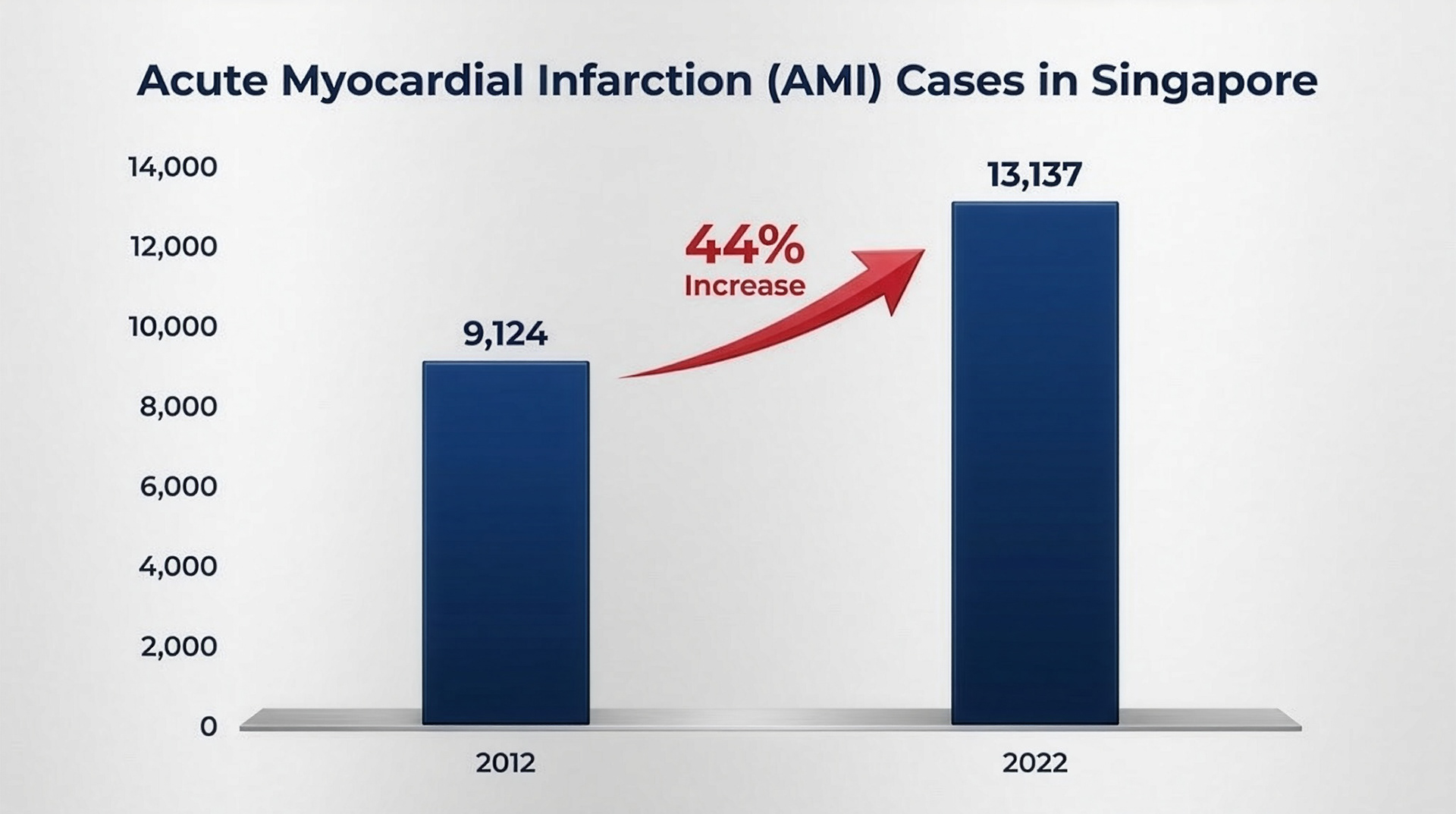
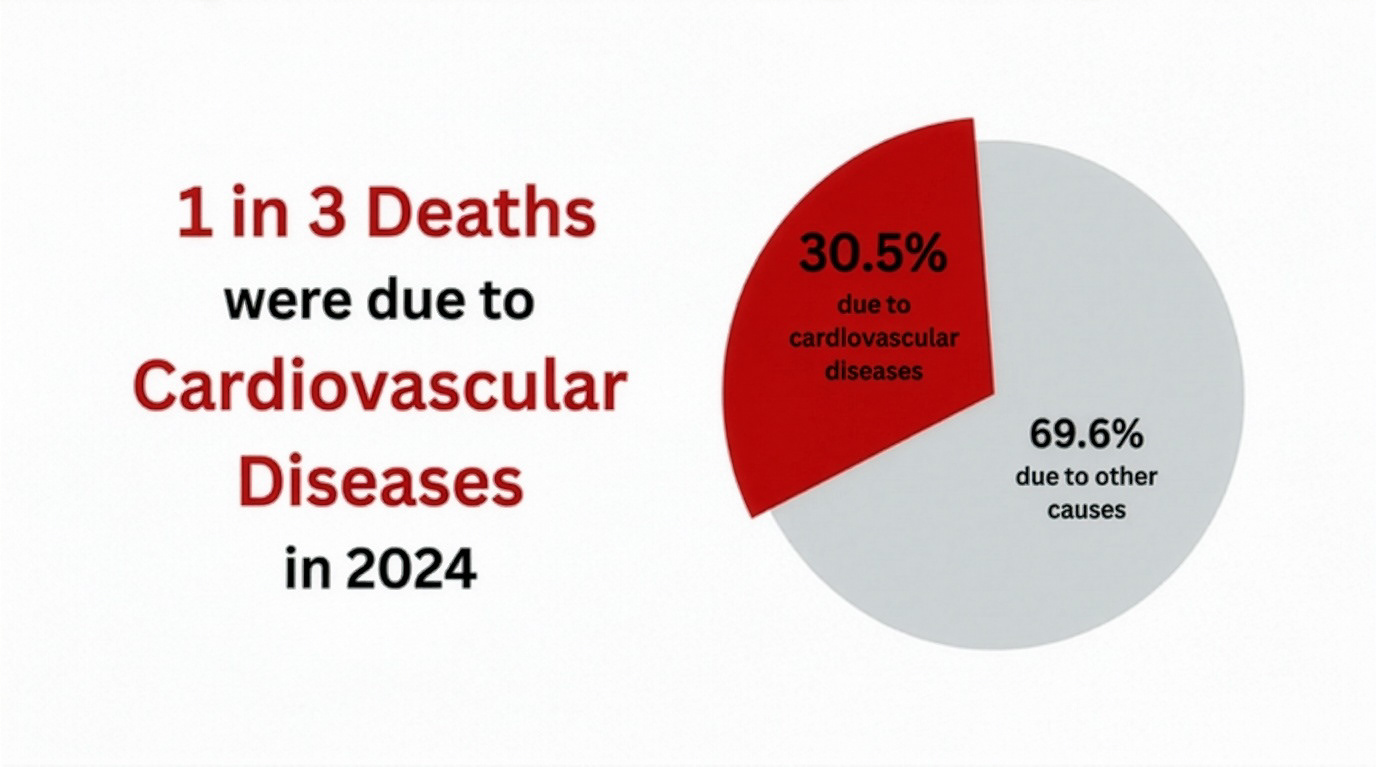
For patients presenting with acute coronary syndrome — chest pain or shortness of breath — the American Heart Association (AHA) and European Society of Cardiology (ESC) set a critical benchmark: an ECG must be completed within 10 minutes of arrival.
Sources: Joint Commission Journal, BMJ Journals
What It Means for our Patients
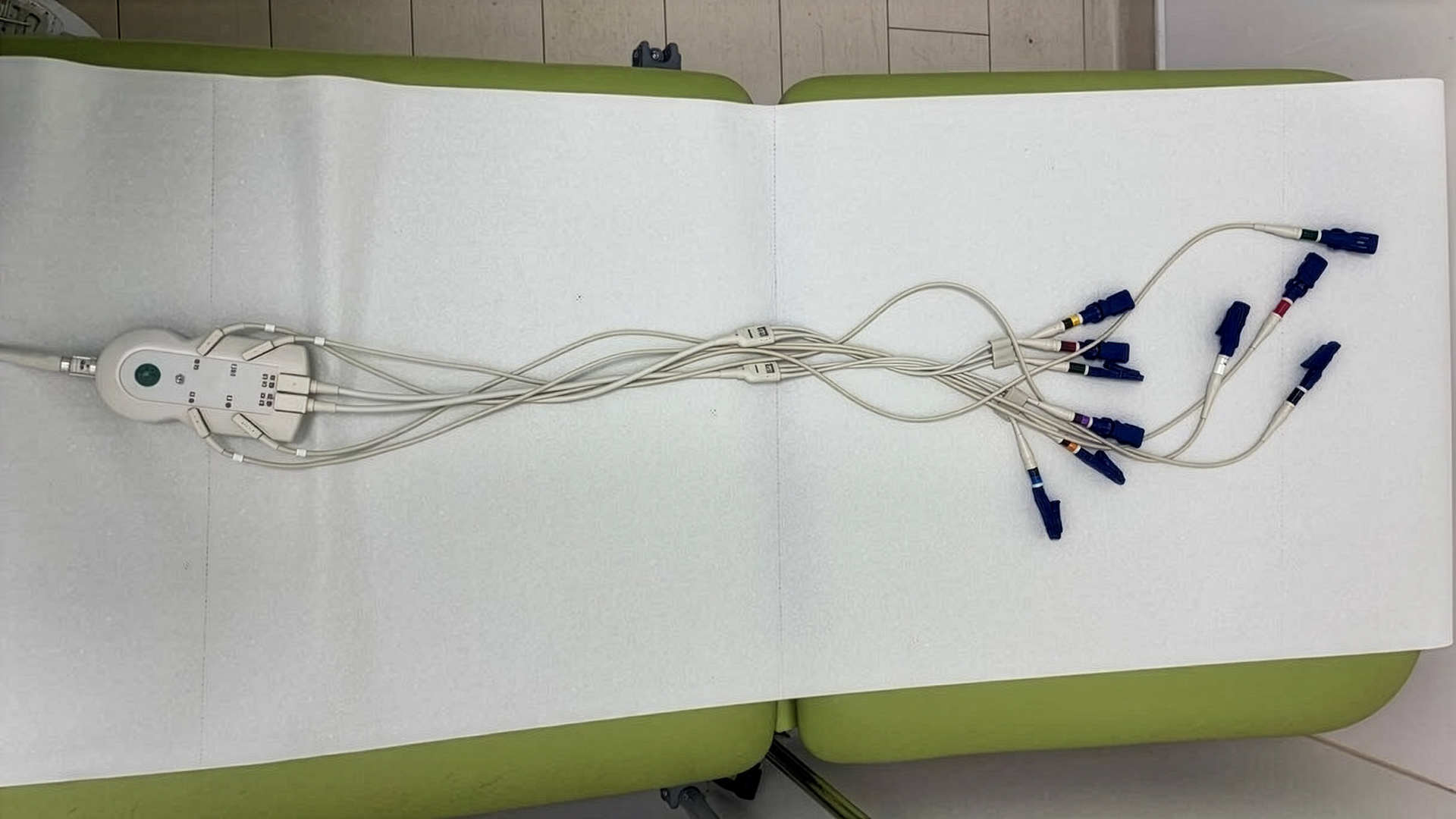
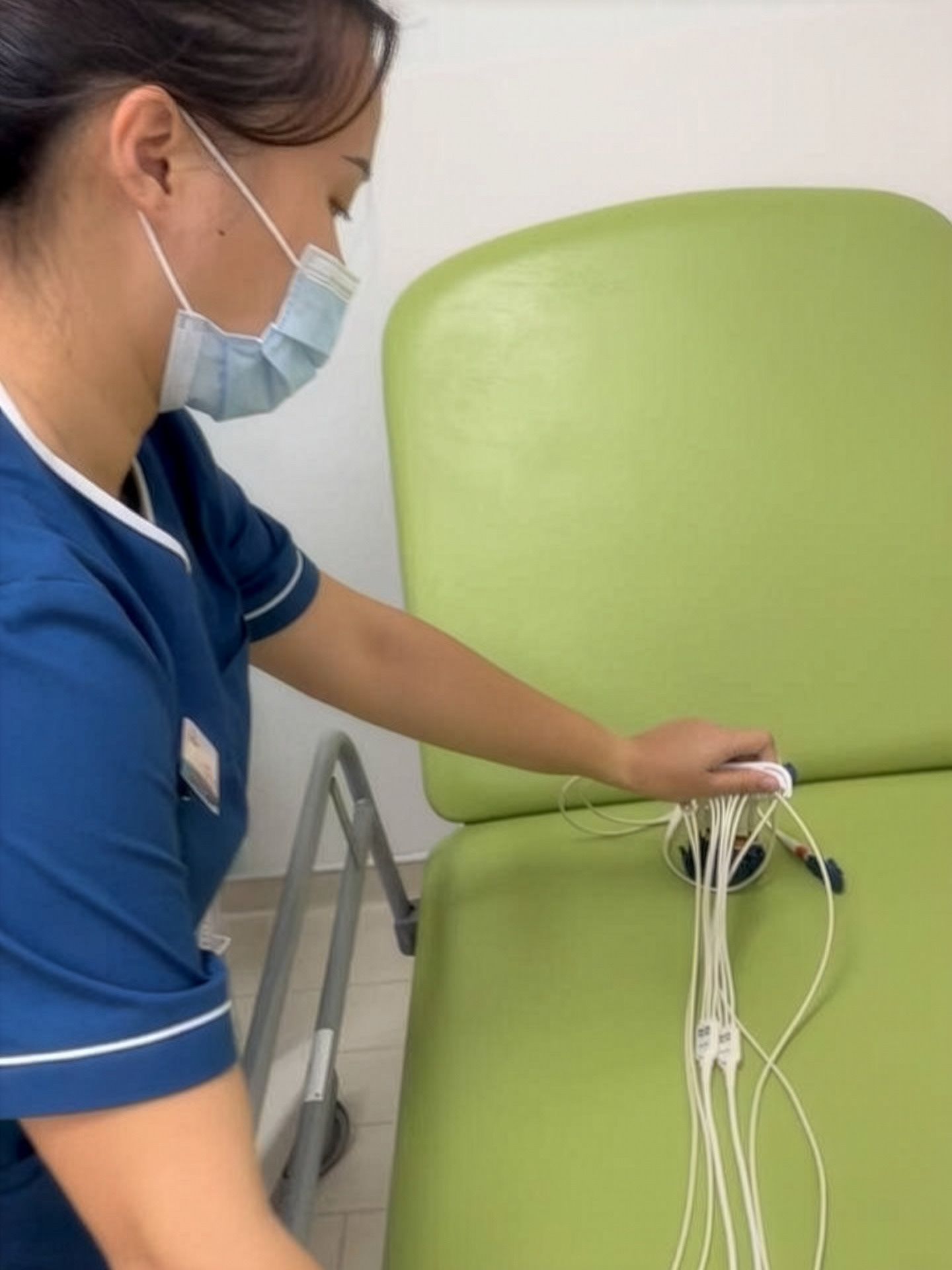
In Singapore's polyclinics, we saw how even a 30‑second delay caused by ECG lead entanglement could push clinicians dangerously close to breaching that 10‑minute window. We realised that those lost seconds are not trivial; they translate directly into slower interventions, missed diagnoses, and compromised patient outcomes. This urgency drove our project, shaping how we approached design and engineering to remove inefficiencies where every second counts.
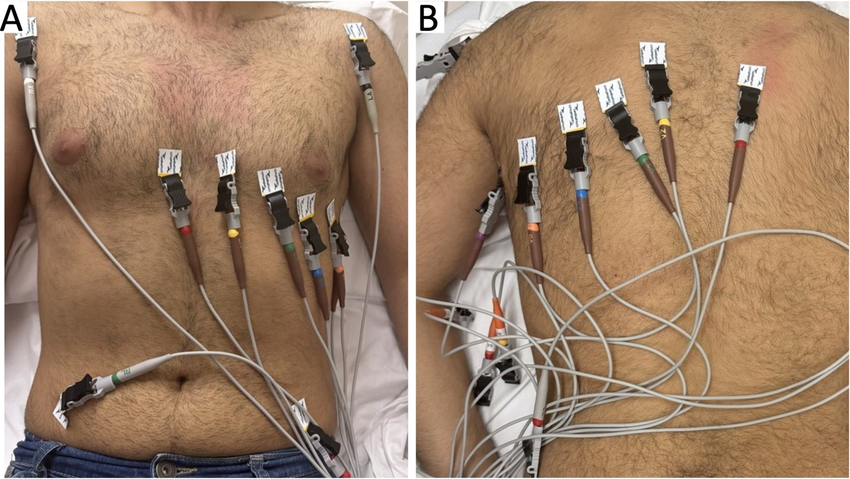
Credits: ResearchGate
Innovation Details
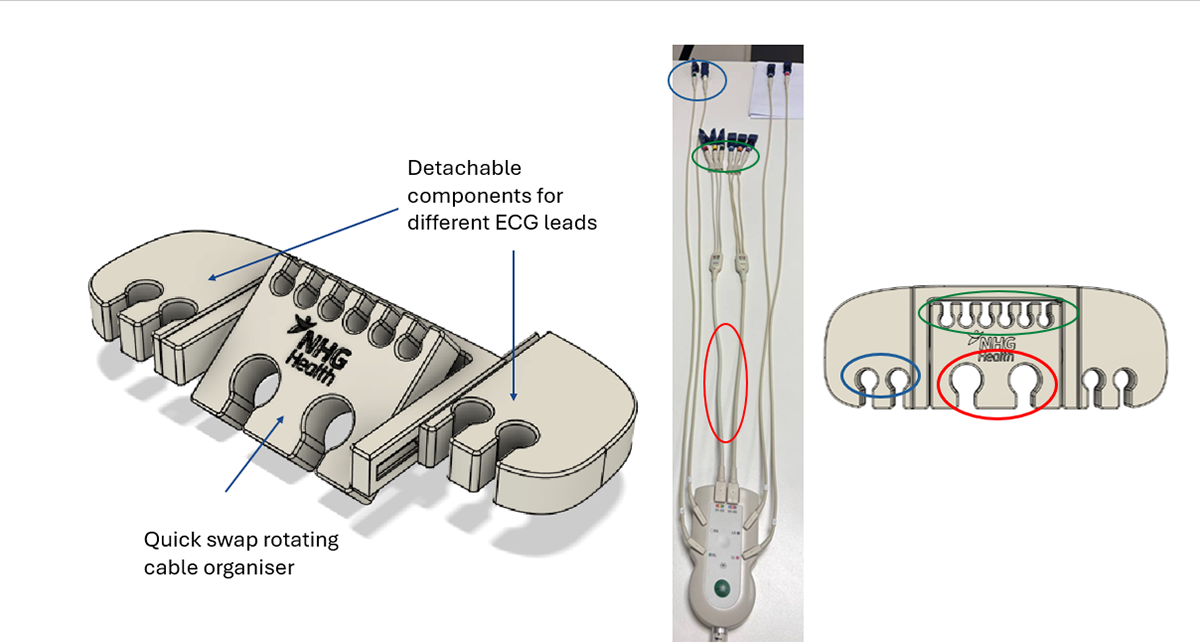
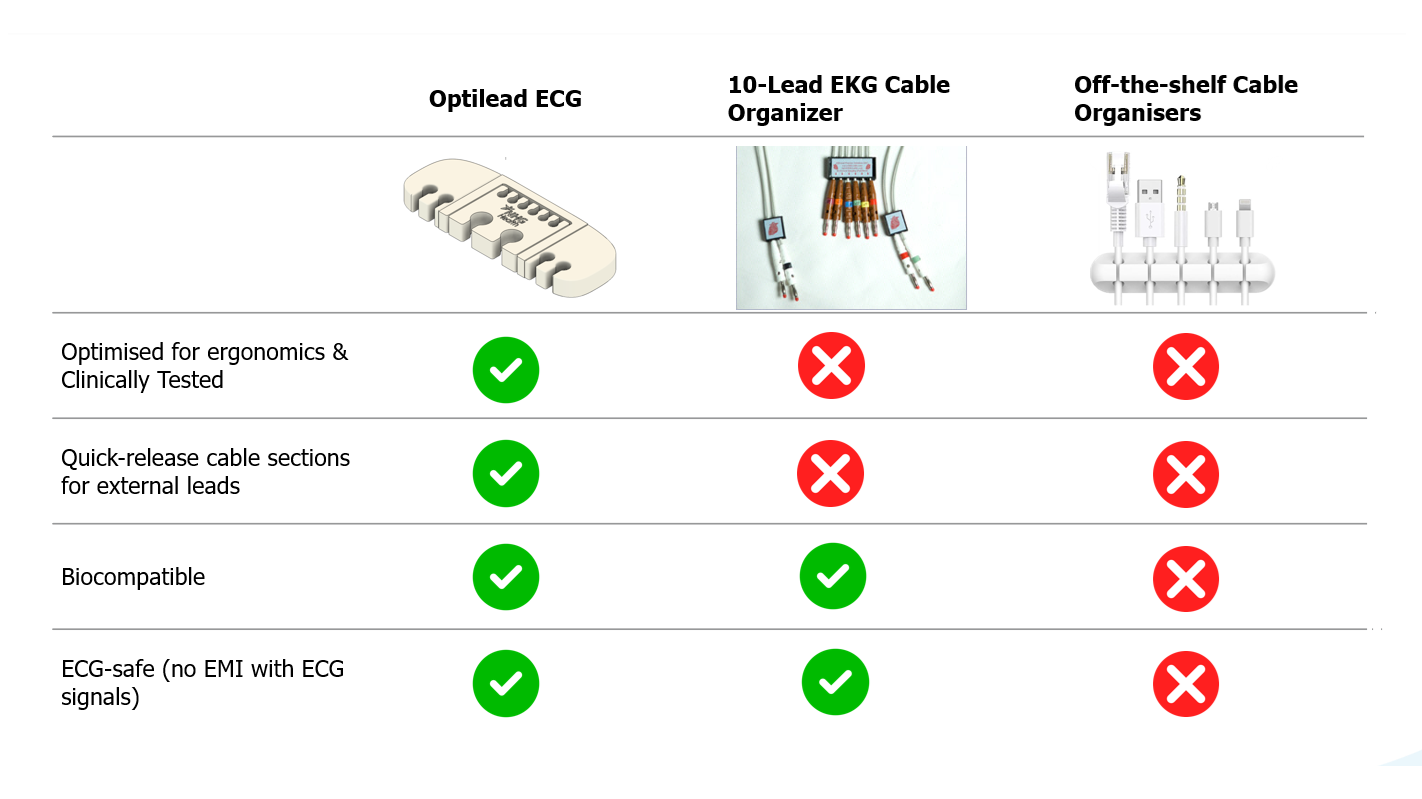
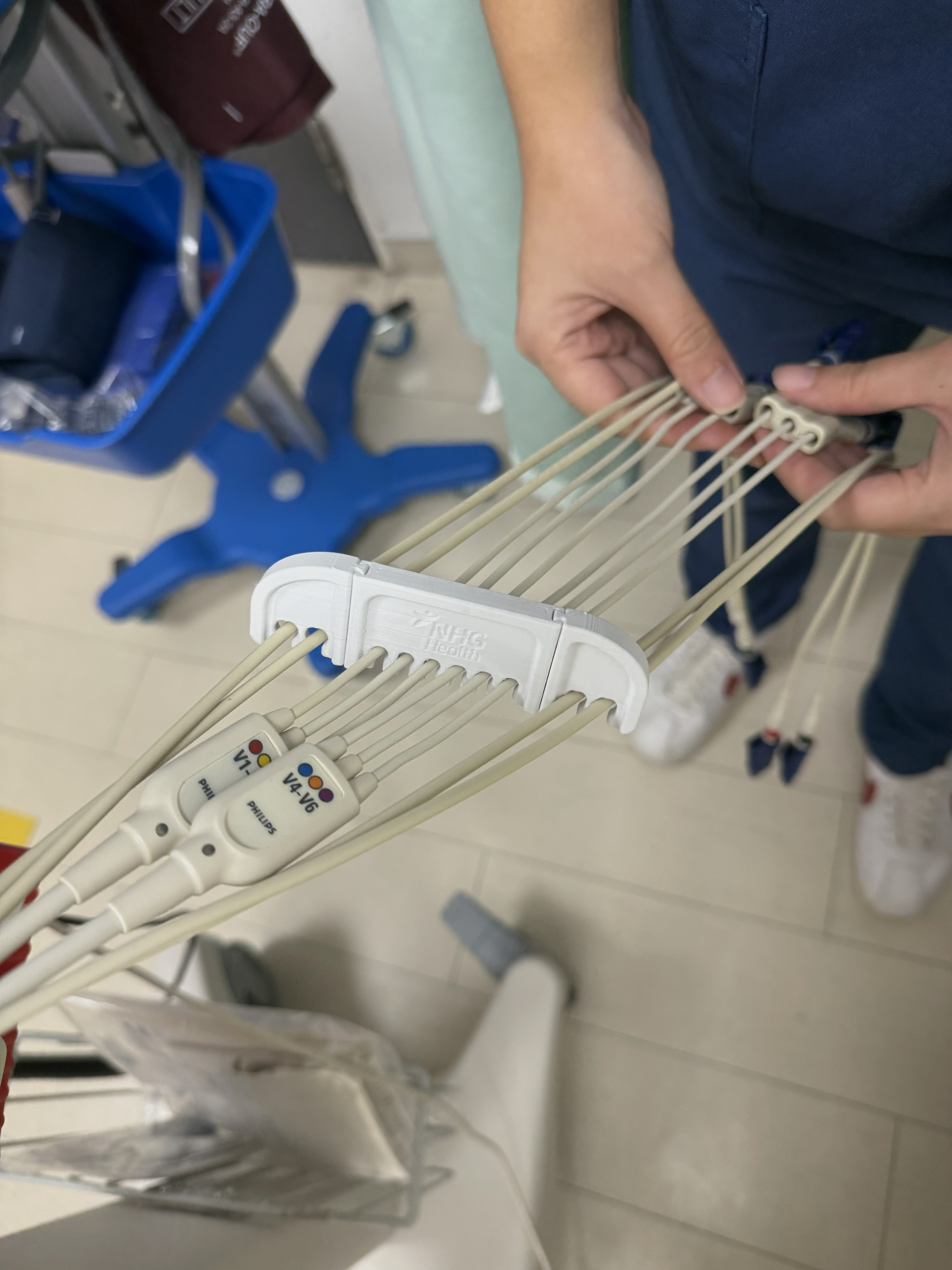
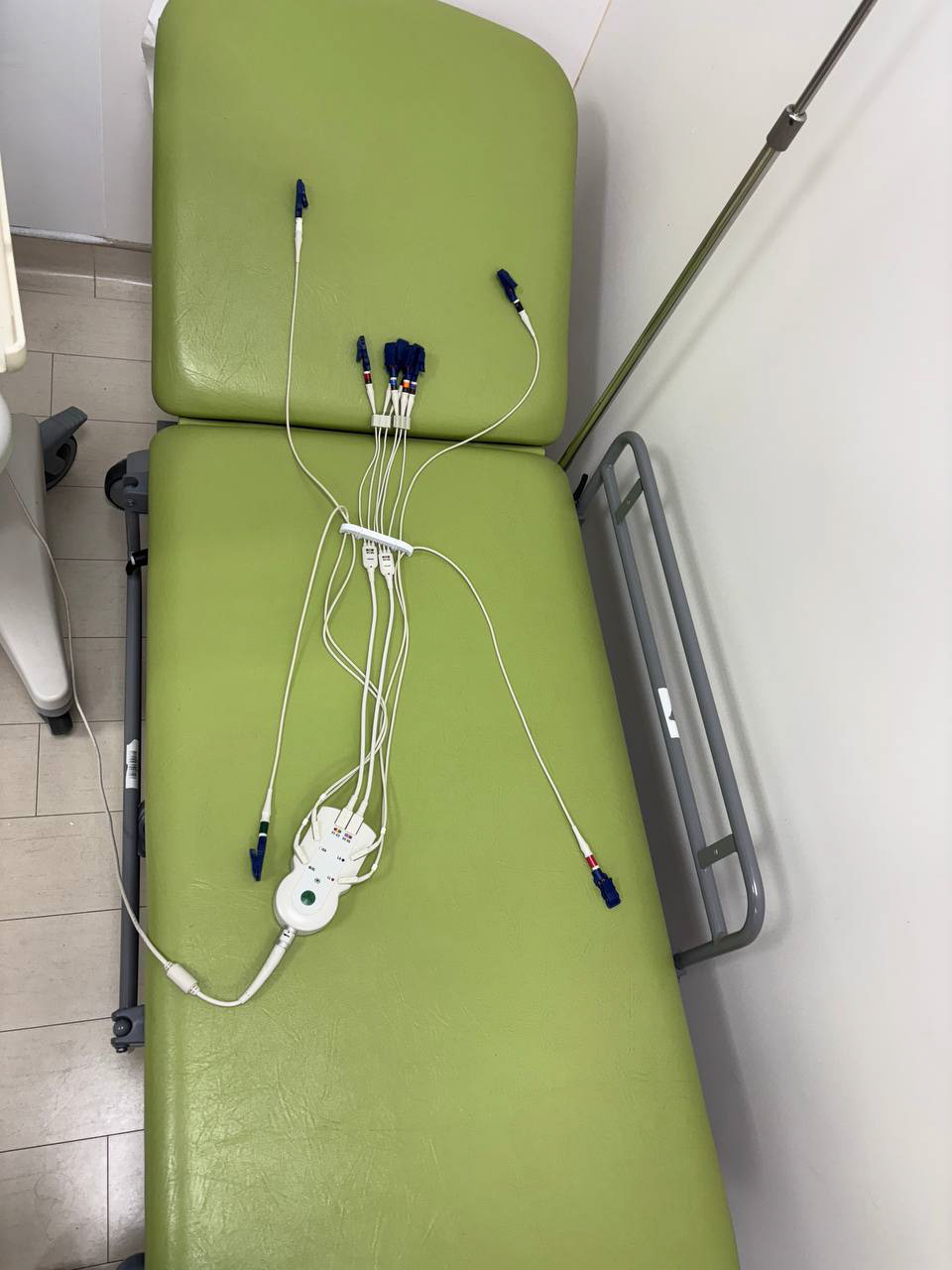
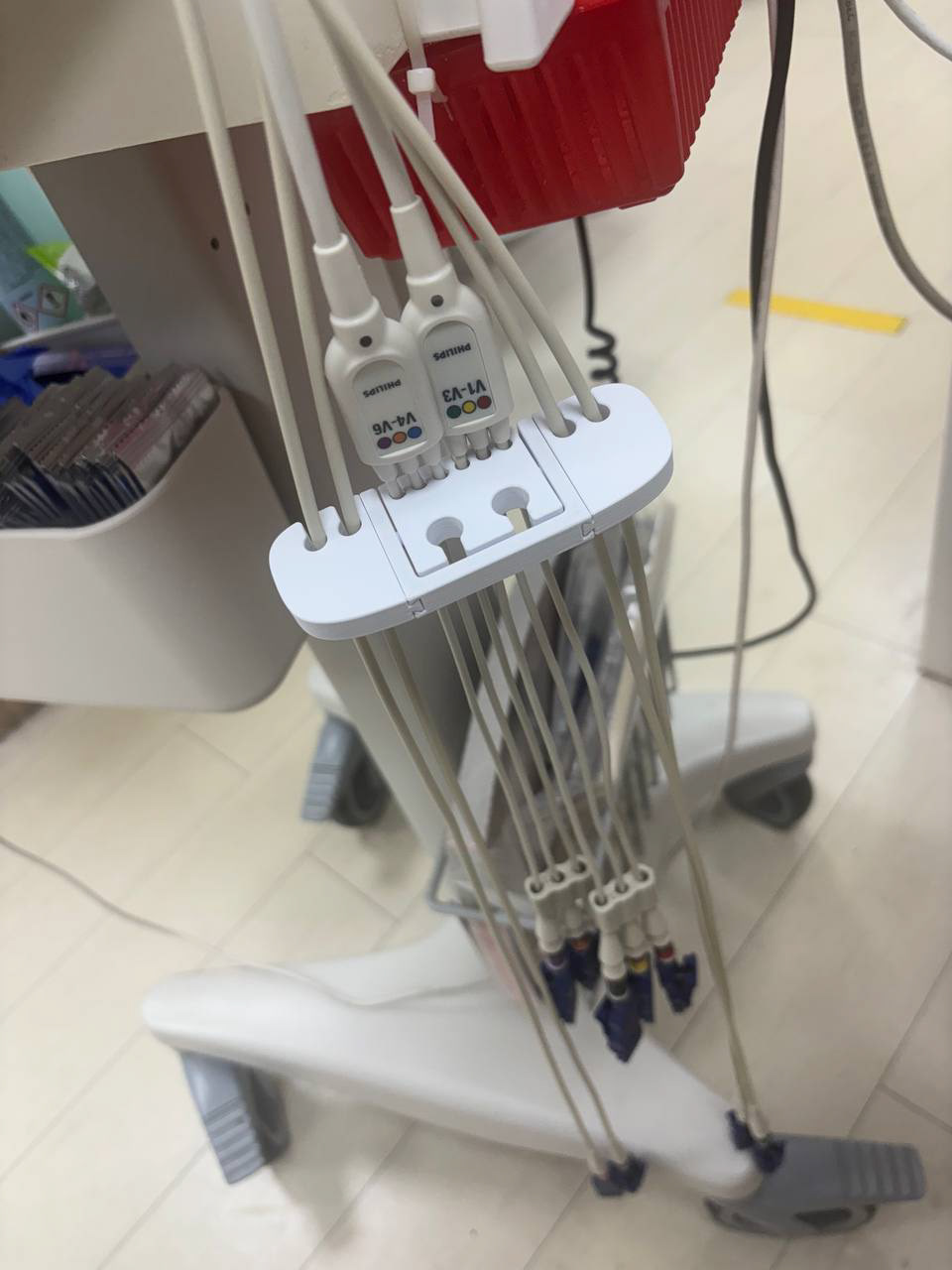
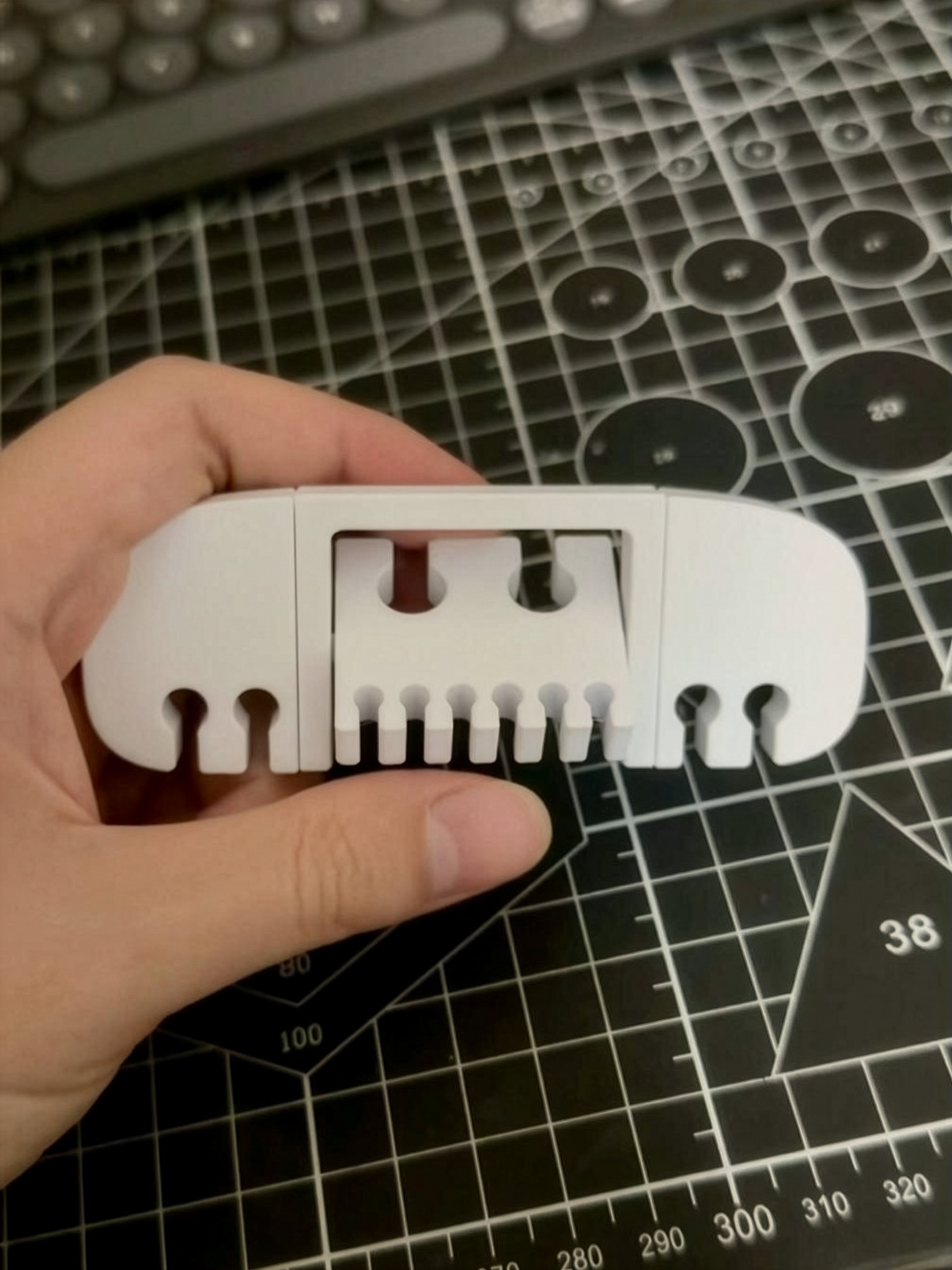
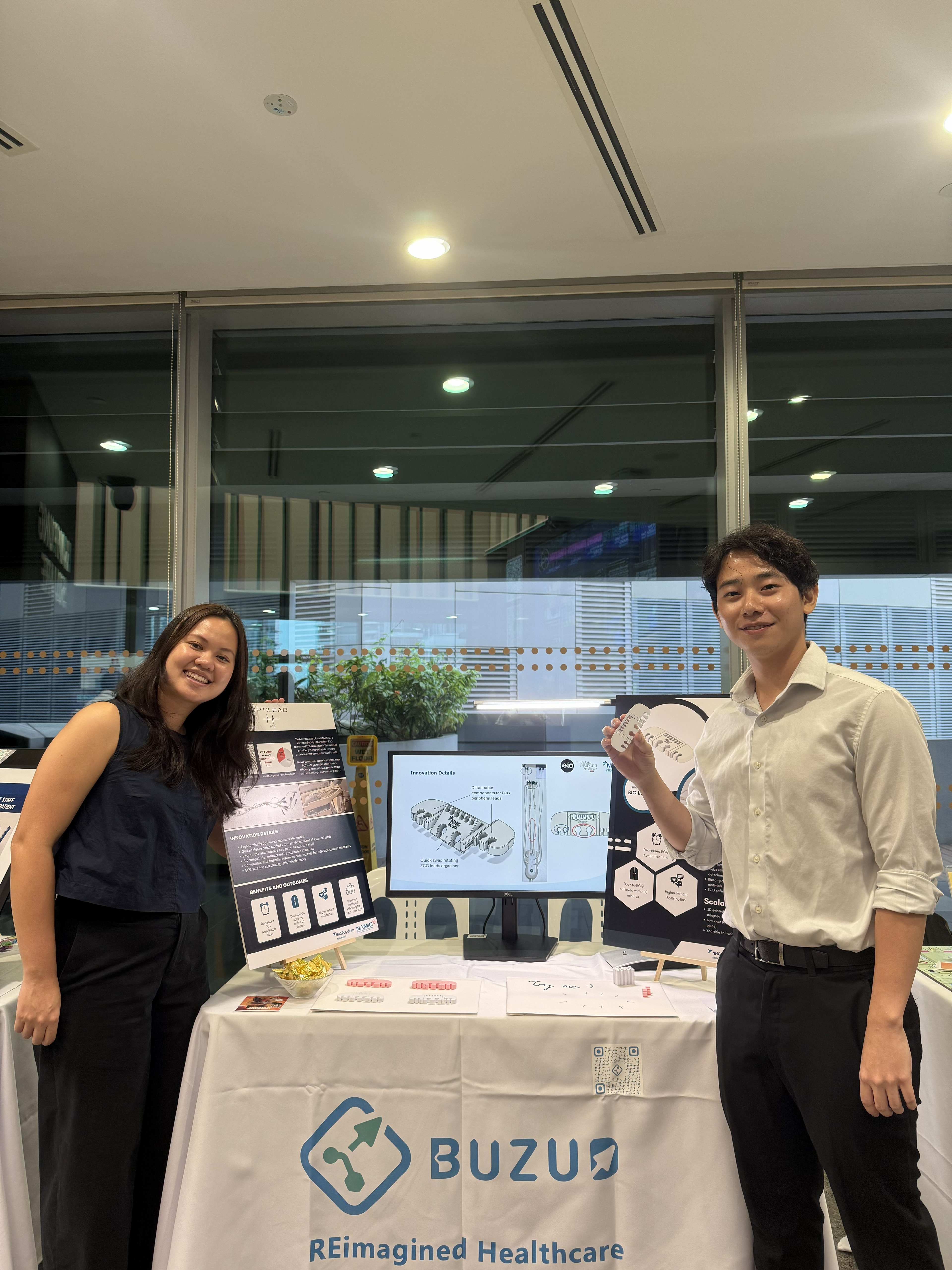
The OptileadECG, a medical accessory that untangles ECG wires, was designed with nurses' first ergonomics in mind, featuring a low-profile form factor that enables single-handed use during busy clinical workflows. To address the common issue of lead entanglement, I incorporated a quick‑swap detachable module that allows clinicians to manage multiple leads efficiently, particularly the peripheral leads that are harder to reach.
Competitive Advantages
Clinical Validation
OptileadECG was piloted and tested directly in NHG polyclinics, where frontline nurses reported smoother workflows and faster ECG acquisition in everyday practice. By reducing lead entanglement, we saved up to 30 seconds per patient, helping clinicians stay within the critical 10‑minute ECG window recommended for acute coronary syndrome cases.
Engineering & Development
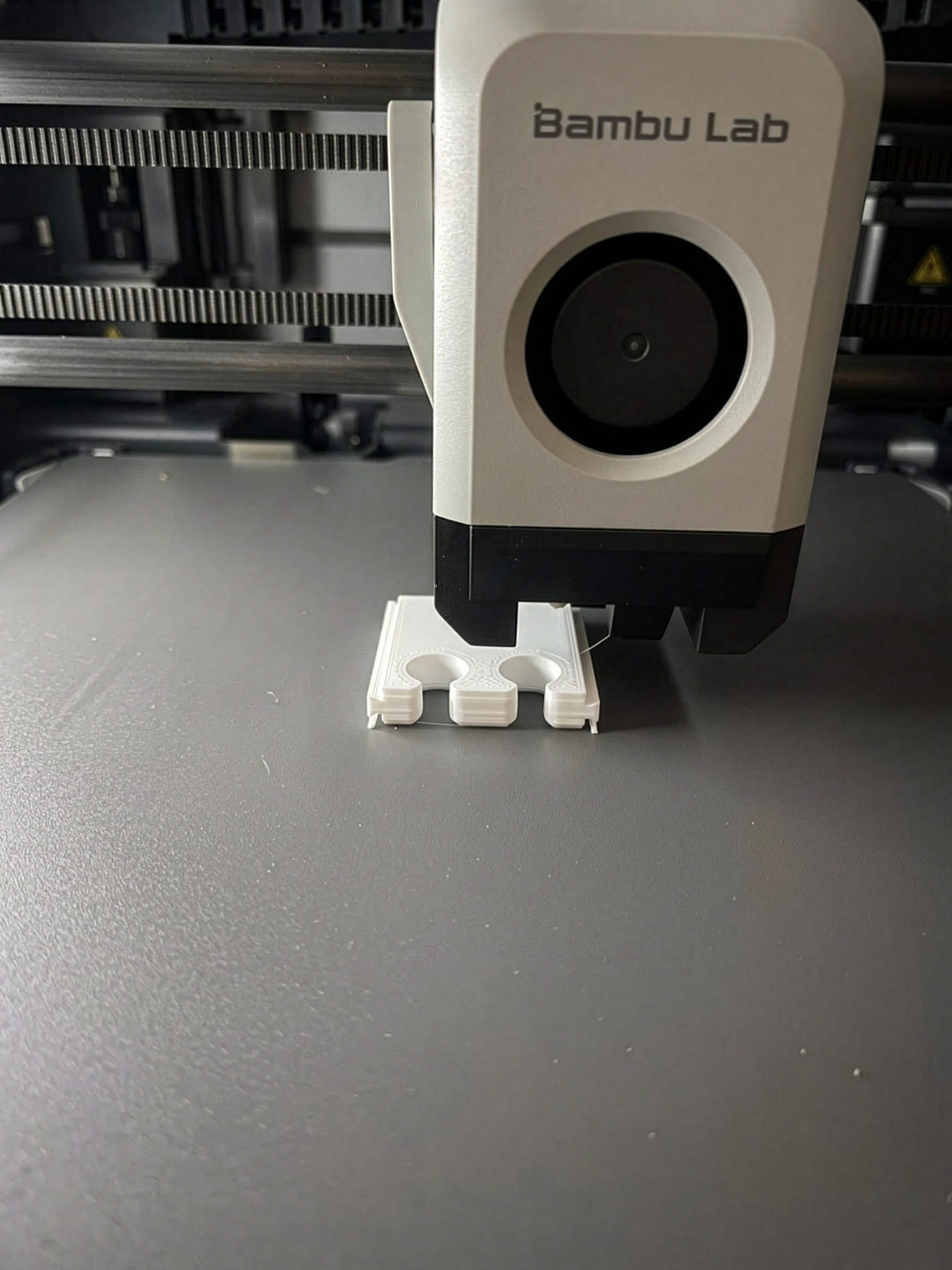
I designed OptileadECG in Fusion 360 and manufactured it on a Bambu P1S 3D printer, refining it iteratively based on clinical feedback. We selected Polyethylene Terephthalate Glycol (PETG) for its biocompatibility and cost‑effectiveness, given the device’s minimal patient contact. The product surface was shaped to eliminate hard‑to‑clean corners, meeting infection‑control needs for thorough hospital disinfection, while rounded edges protected patients from scratches. To ensure accurate ECG readings, we designed the accessory without parts that could cause electrical interference, keeping the signal clean and reliable in clinical settings.
Recognition
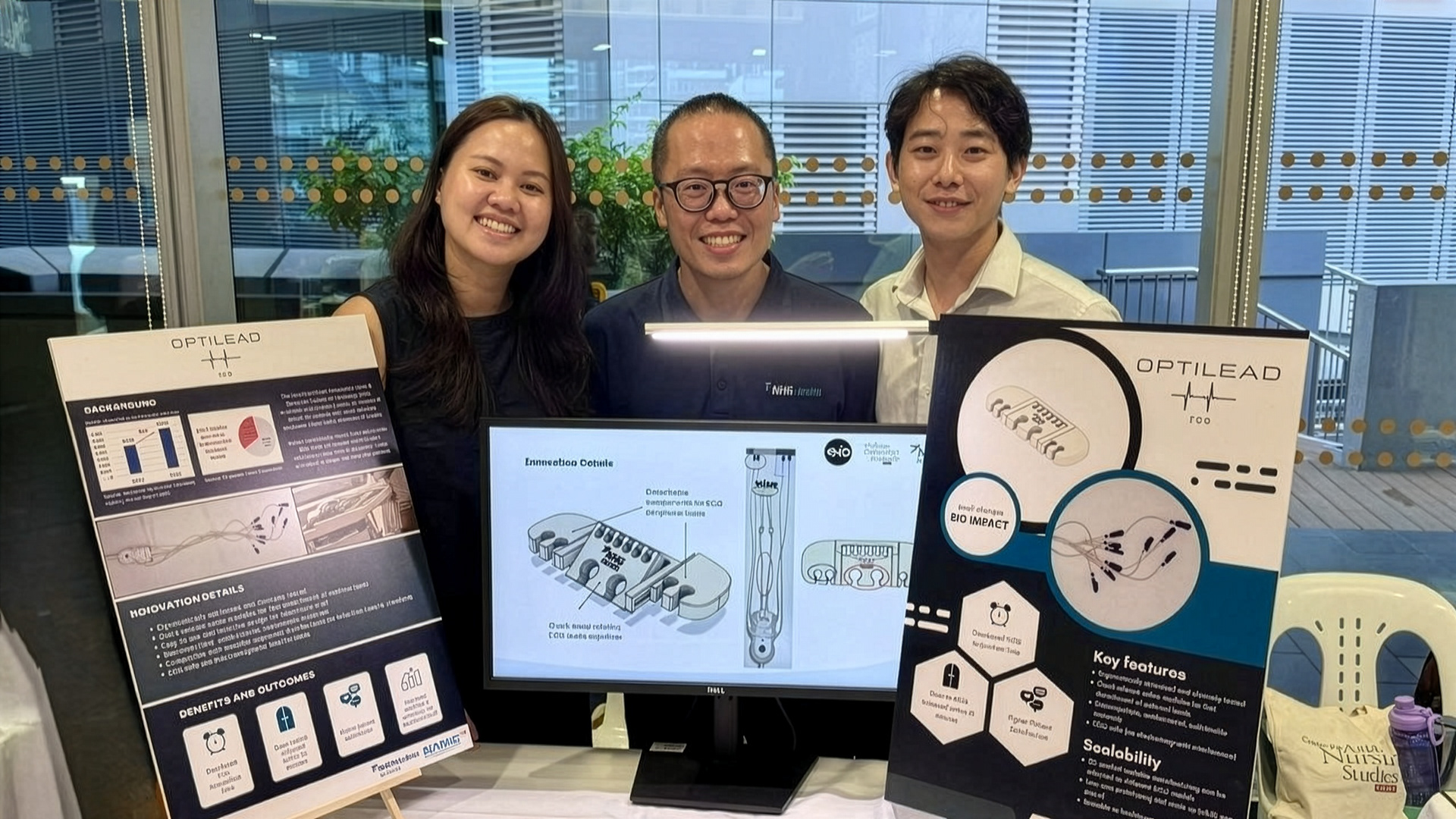
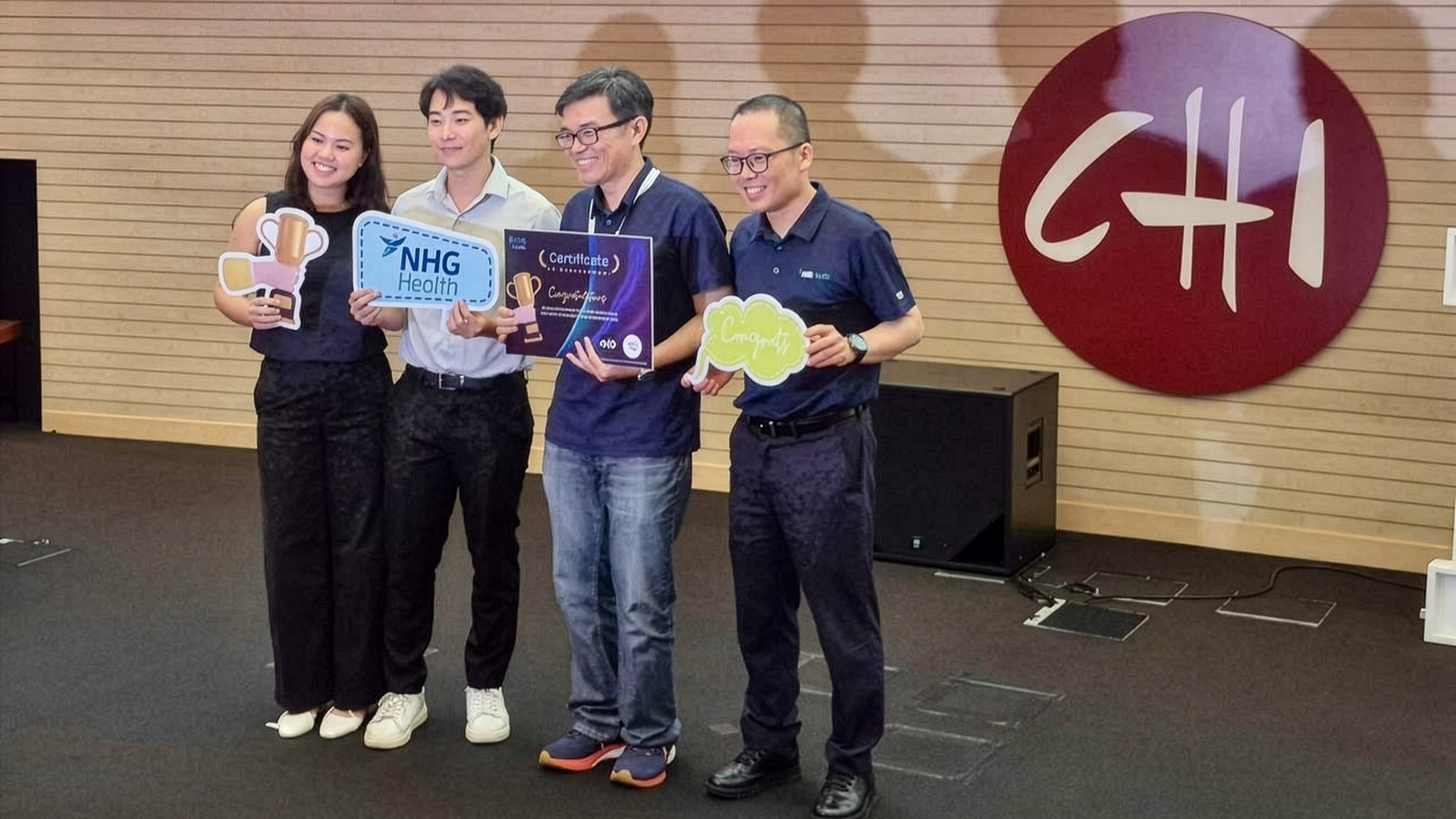
OptileadECG was awarded 3rd place in the NHG Nursing Innovation Challenge, standing out among more than 100 teams. This recognition validated the potential of the OptileadECG and came with SGD 5,000 in seed funding, which supported further design refinements and testing. I was happy to see how applying human-centred design with 3D printing can drive real impact in healthcare, and with the support of seed funding, we progressed the project toward clinical deployment.
Acknowledgments
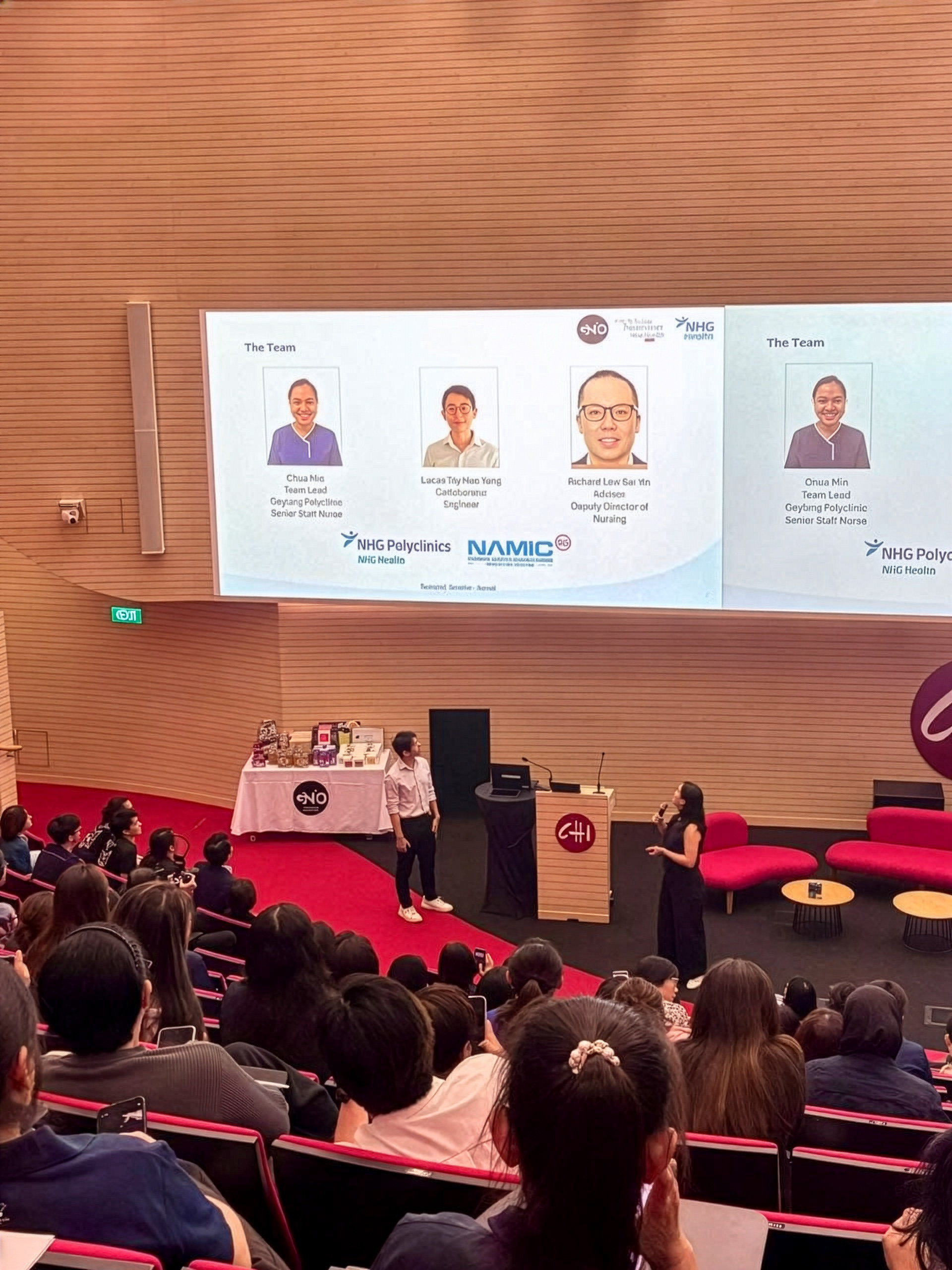
I am deeply grateful to the project advisor Richard Low Sai Yin, my project partner and nurse Chua Min, and the Geylang Polyclinic Nursing team for testing the prototype and sharing invaluable feedback. Special thanks also go to the National Health Group (NHG), National Additive Manufacturing Innovation Cluster (NAMIC) Singapore and the Digital Design Innovation Centre (DDIC) for their full support in advancing this initiative.